Understanding the Role of CNC Machining in Aerospace Manufacturing
CNC machining has become a cornerstone of modern aerospace manufacturing, enabling companies to produce high-precision components that meet the demanding specifications of the industry. With its ability to produce intricate designs from a variety of materials, CNC (Computer Numerical Control) machining offers manufacturers the flexibility and precision needed to stay competitive. This article explores the significance of CNC machining in aerospace, the challenges faced by leading aerospace CNC parts manufacturers, and the trends shaping the future of this crucial sector. For those looking for comprehensive insights into leading aerospace cnc parts manufacturers, this article is a valuable resource.
What Are Aerospace CNC Parts?
Aerospace CNC parts are components manufactured using CNC machining techniques specifically for use in aviation and spacecraft applications. These parts must be designed with extreme precision due to the safety-critical nature of aerospace operations. Common examples include engine housings, landing gear components, and structural frames. The fabrication of these parts typically involves advanced materials that can withstand extreme temperatures and mechanical stresses, such as titanium, aluminum alloys, and composite materials.
The Importance of Precision in Aerospace Manufacturing
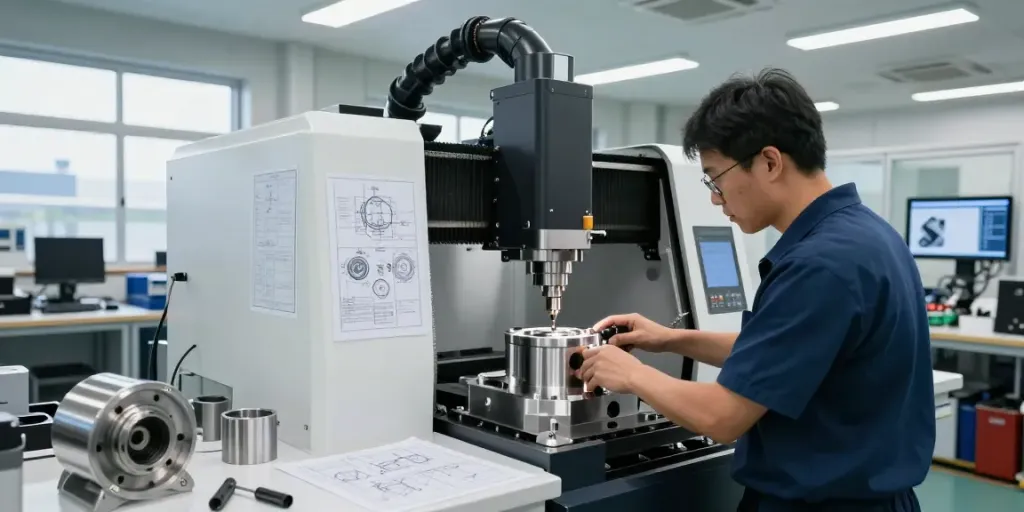
Precision is paramount in aerospace manufacturing. Even the slightest deviation in the dimensions of a component can lead to catastrophic failures. CNC machining allows manufacturers to achieve tolerances as tight as ±0.005 inches, which is essential for parts that must fit together seamlessly during assembly. This precision not only enhances the performance of the aircraft but also increases reliability and safety for passengers and crew.
Key Technologies Used in Aerospace CNC Machining
- 5-Axis Machining: Offers greater flexibility and precision by allowing complex geometries to be produced in a single setup.
- Advanced Tooling: Utilizes specialized tools designed to handle tough aerospace materials.
- Simulation Software: Helps manufacturers predict machining outcomes and optimize processes before physical production.
- Automation and Robotics: Increases throughput and consistency while reducing human error in the manufacturing process.
Top Challenges Facing Leading Aerospace CNC Parts Manufacturers
Supply Chain Disruptions and Their Impact
The global aerospace industry has been exceptionally vulnerable to supply chain disruptions, exacerbated by recent geopolitical events and the COVID-19 pandemic. Delays in raw material sourcing, particularly for critical alloys and composites, can halt production lines and lead to increased costs. Manufacturers must implement robust supply chain strategies, including diversification of suppliers and investment in local production capabilities, to mitigate these risks.
Regulatory Compliance and Quality Assurance Standards
Aerospace manufacturers operate under stringent regulatory frameworks that require adherence to quality assurance standards such as AS9100 and ISO 9001. Ensuring compliance not only involves rigorous testing of components but also demands a culture of quality within organizations. Companies must invest in regular training and development of their workforce to ensure that all team members understand these standards and adhere to them consistently.
The Talent Shortage: War for Skilled Workers
The aerospace sector is experiencing a significant skills gap, with many experienced workers retiring and not enough new talent entering the field. This shortage of skilled CNC machinists and engineers poses a threat to the industry's growth. Companies must prioritize training programs and partnerships with educational institutions to develop a pipeline of talent ready to meet the industry's demands.
Best Practices for Effective Aerospace CNC Machining
Implementing Lean Manufacturing Techniques
Lean manufacturing focuses on minimizing waste while maximizing productivity. Aerospace manufacturers can adopt lean principles to streamline their operations, reduce lead times, and enhance product quality. Techniques such as value stream mapping and continuous improvement initiatives can lead to significant efficiencies and cost savings.
Utilizing Advanced Software and Automation
Investing in advanced software solutions for CNC programming and real-time monitoring of manufacturing processes can greatly enhance operational efficiency. Automation, in particular, plays a crucial role in reducing cycle times and errors, allowing manufacturers to deliver high-quality parts with rapid turnaround times.
Investing in Continuous Training and Development
The rapid evolution of technology in the aerospace sector means that continuous training is essential for maintaining a competitive edge. Manufacturers should implement ongoing educational programs to keep workers updated on the latest techniques and technologies in CNC machining.
Case Studies of Successful Aerospace CNC Manufacturers
Innovation at Boeing: How CNC Technology Transformed Production
Boeing has leveraged CNC machining technology to enhance the efficiency of its manufacturing processes. By adopting advanced 5-axis machines and automation, the company has significantly reduced production times while maintaining stringent quality controls, ultimately improving its competitiveness in the market.
Owens Industries: Maintaining Quality Through Precision Engineering
Owens Industries has established itself as a leader in the aerospace sector by focusing on precision engineering. Their commitment to quality assurance and state-of-the-art CNC technology has enabled them to produce components that meet the demanding requirements of major aerospace manufacturers.
Emerging Leaders: Innovative Startups in Aerospace CNC Machining
Several startups are emerging in the aerospace CNC machining landscape, utilizing cutting-edge technologies such as additive manufacturing and AI-driven machining processes. These companies are disrupting traditional manufacturing paradigms and offering innovative solutions that cater to the evolving needs of the aerospace sector.
Future Trends in Aerospace Manufacturing and CNC Machining
Adoption of Additive Manufacturing Techniques
Additive manufacturing, or 3D printing, is gaining traction in the aerospace industry due to its ability to produce complex geometries that are difficult or impossible to achieve with traditional machining. This technology allows for rapid prototyping and the creation of lightweight parts, leading to increased fuel efficiency in aircraft.
Impact of AI and Machine Learning on CNC Machining
Artificial intelligence and machine learning are poised to transform CNC machining processes by predicting maintenance needs, optimizing production schedules, and enhancing quality control measures. Manufacturers that integrate these technologies can expect to see improvements in efficiency and reduced downtime.
Predictions for the Aerospace Industry in 2027 and Beyond
As the aerospace industry continues to recover and adapt post-pandemic, experts predict robust growth driven by increased air travel and advancements in technology. The demand for precision CNC machined parts will rise, and manufacturers that embrace innovation and focus on sustainability will likely lead the market.
What Are the Key Factors for Sustainable Growth?
Sustainable growth in the aerospace sector hinges on several factors, including environmental stewardship, adherence to regulatory frameworks, and the ability to innovate continuously. Manufacturers must prioritize sustainability by investing in eco-friendly materials and processes while maintaining quality and performance standards.