Understanding Containerized Water Reclaim Systems
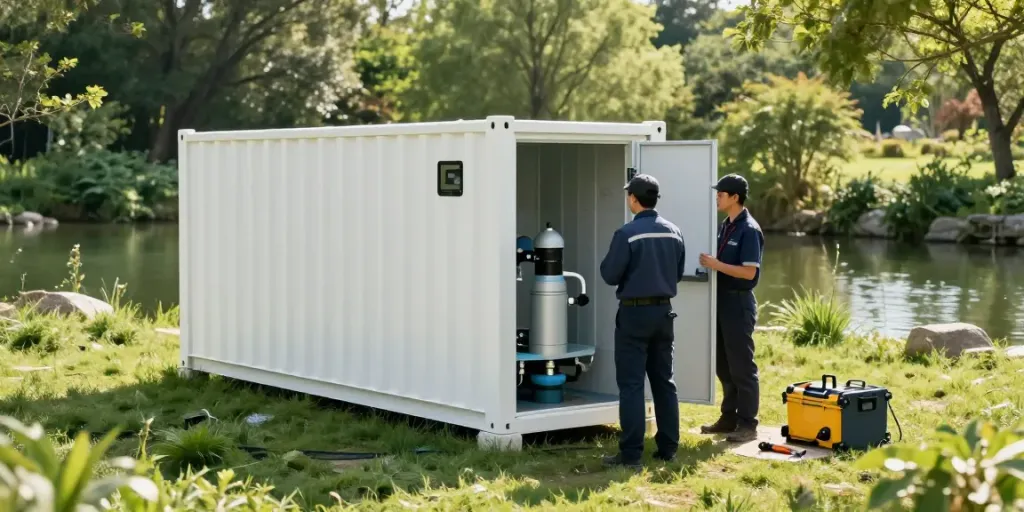
As the global demand for clean water surges, efficient water management has become a priority for various industries. Containerized water reclaim systems provide a practical solution to this pressing issue by enabling the treatment and reuse of wastewater. These innovative systems are designed to be both compact and efficient, making them suitable for a wide range of applications—particularly in scenarios where traditional water treatment plants are impractical. When exploring options, Water Reclaim System solutions not only conserve vital resources but also contribute significantly to sustainability goals.
What is a Water Reclaim System?
A water reclaim system is a specialized setup designed to treat wastewater, greywater, or stormwater, transforming it into high-quality reusable water. These systems employ advanced technologies such as membrane bioreactors (MBR) and ultrafiltration (UF), which ensure that contaminants are effectively removed, making water safe for various uses. This process not only helps in reducing the burden on freshwater supplies but also supports environmental conservation efforts.
Components and Technologies Used
Containerized reclaimed water systems typically consist of several key components:
- Pre-treatment systems: These components help in the initial filtration of larger debris and particulates, preparing the water for advanced treatment.
- Membrane Bioreactors (MBR): MBR technology combines biological treatment and membrane filtration, effectively removing organic matter and pathogens.
- Ultrafiltration (UF): This process further purifies the water by filtering out smaller particles, including bacteria and viruses.
- Reverse Osmosis (RO): RO can be integrated to remove dissolved solids, ensuring the highest water quality for reuse.
- Disinfection units: Technologies such as UV light or chemical disinfectants ensure that the treated water is free from harmful microorganisms.
Benefits of Containerized Solutions
The advantages of containerized water reclaim systems are significant:
- Compact Design: These systems are modular and can be deployed in various locations, including remote or space-constrained areas.
- Rapid Deployment: The pre-engineered nature of containerized solutions allows for quick setup and operational readiness.
- Operational Flexibility: Containerized systems can be easily relocated and adapted to different water quality requirements or operational conditions.
- Sustainability: By recycling wastewater, these systems help conserve freshwater resources and reduce wastewater disposal costs.
Applications of Water Reclaim Systems
Municipal Water Reuse
Municipalities face mounting pressures to manage water resources efficiently. Containerized water reclaim systems can be utilized in several municipal applications, from treating sewage to converting greywater for irrigation. Countries with limited water supply or distinct seasonal fluctuations can particularly benefit from these innovative solutions. By treating and reusing wastewater, cities can alleviate pressure on limited freshwater supplies, support agricultural activities, and enhance their resilience to climate change.
Industrial Process Integration
Industries frequently generate substantial quantities of wastewater, necessitating effective treatment solutions. Containerized water reclaim systems offer industries the capability to treat wastewater generated during production processes, thereby making it suitable for reuse. This approach can significantly reduce operational costs associated with water acquisition and wastewater discharge.
Decentralized and Emergency Applications
In remote areas or during emergencies, access to clean water can become a critical issue. Containerized systems provide an immediate and effective solution to deliver clean water to affected populations or areas lacking infrastructure. Their mobility makes them ideal for rapid response during natural disasters or in temporary setups such as construction sites and military operations.
Implementation Strategies for Water Reclaim Systems
Planning and Design Considerations
The successful implementation of a water reclaim system begins with thorough planning and design. Factors to consider include:
- Assessing local water quality requirements and potential contaminants
- Evaluating the available space for installation and operation
- Identifying regulatory requirements and ensuring compliance
- Planning for workforce training and system operation
Installation Process and Requirements
Installing a containerized water reclaim system involves several critical steps:
- Site Preparation: Ensure that the site meets technical requirements, including access to utilities (electricity and water) and adequate drainage.
- System Assembly: As containerized systems are pre-engineered, assembly typically involves connecting pre-installed components.
- System Testing: Thorough testing ensures all components function as intended before the system goes live.
- Training Personnel: Staff should be thoroughly trained on the operational procedures and maintenance of the system.
Maintenance and Operational Best Practices
Ongoing maintenance is essential to ensure the long-term success of water reclaim systems. Best practices include:
- Regular inspections of all components
- Monitoring water quality to ensure compliance with reuse standards
- Implementing preventive maintenance schedules to minimize downtime
- Training operators on troubleshooting and repair procedures
Cost Analysis and Economic Benefits
Initial Investment vs. Long-term Savings
Initially, investing in a containerized water reclaim system may seem costly. However, the long-term savings can be substantial. By reducing reliance on municipal water sources and decreasing wastewater disposal fees, organizations can see a quick return on investment. Additionally, these systems contribute to overall sustainability, which can enhance an organization’s public image and potentially lead to new business opportunities.
Funding Opportunities and Incentives
Governments and environmental agencies often provide grants, subsidies, and incentives for organizations that implement sustainable practices. Exploring these funding opportunities can offset the initial costs associated with setting up water reclaim systems. Organizations should regularly check for local, state, or federal programs that encourage sustainable water management practices.
Return on Investment Metrics
Measuring the return on investment (ROI) for water reclaim systems involves various metrics, including:
- Costs saved on water procurement
- Reduction in wastewater treatment and disposal fees
- Improvements in operational efficiencies
- Potential revenue generated from selling reclaimed water for non-potable uses
Future Trends in Water Reclaim Systems
Emerging Technologies and Innovations
The future of water reclaim systems is bright, with numerous technological advancements on the horizon. Innovations such as artificial intelligence (AI) and IoT integration are expected to improve monitoring and management capabilities, making these systems even more efficient. Advanced filtration materials and methods are also being researched to enhance water purification processes without increasing energy consumption.
Environmental Regulations Impacting Water Reuse
As concerns about water scarcity grow, regulatory frameworks are evolving to promote increased water reuse. Organizations should stay informed about local and international regulations that create a supportive environment for water reclaim systems. Compliance with these regulations can lead to improved public perception and open opportunities for funding.
Predictions for the Industry by 2026
By the year 2026, the water reclamation industry is expected to witness significant growth driven by increased awareness of sustainability and the urgent need for water conservation. More organizations will adopt water reclaim systems, integrating them into their operational frameworks, not only as a means of compliance but as a strategic advantage. Additionally, we may see a rise in decentralized water treatment systems, allowing communities and industries to manage their water resources effectively and sustainably.
What is a water reclaim system?
A water reclaim system is a technological solution designed to treat wastewater, making it reusable for various applications such as irrigation, industrial processes, or even potable uses in some advanced systems.
Is reclaimed water cheaper than regular water?
Yes, in many cases, reclaimed water can be cheaper than traditional water sources due to reduced water procurement costs and lower wastewater disposal fees.
How much does a water recycling system cost?
The cost of a water recycling system can vary widely based on size, capacity, and technology used. Small-scale residential systems might start in the thousands, while larger municipal or industrial systems can reach millions. However, financing options and incentives can significantly reduce the initial investment.
How to build a water reclamation system?
Building a water reclamation system involves careful planning, compliance with regulations, and the right technology. Key steps include determining the water quality needs, selecting appropriate treatment technologies, planning for installation, and ensuring proper maintenance protocols are established.
What are the benefits of using a water reclaim system?
The benefits of using a water reclaim system include conserving freshwater resources, reducing operational costs for water supply and wastewater treatment, supporting sustainable practices, and enhancing resilience to water scarcity issues.