Understanding the Manaslu Trek
The Manaslu Trek is one of the most spectacular and challenging trekking routes in Nepal. Nestled in the heart of the Himalayas, this trek offers an unparalleled experience that blends natural beauty with cultural richness. As you traverse the rugged terrains surrounding Mt. Manaslu, the eighth-highest peak in the world, you'll encounter lush landscapes, traditional villages, and the inviting warmth of the local communities. With an itinerary that spans approximately 15 days, trekkers will immerse themselves in a journey marked by breathtaking panoramas, diverse ecosystems, and a unique opportunity to engage with Tibetan-influenced cultures.
What is the Manaslu Trek?
The Manaslu Trek is an off-the-beaten-path hiking experience that circles Mt. Manaslu (8,163 m / 26,781 ft) in the Gorkha district of Nepal. Recognized for its stunning scenery and cultural heritage, this trek draws a mix of seasoned trekkers looking for both adventure and tranquility away from the more commercial trekking routes like the Annapurna Circuit and Everest Base Camp. The journey typically begins in the village of Machha Khola and connects through various villages like Jagat, Deng, Namrung, and Samagaon, culminating at the crossing of the Larkya La Pass (5,160 m / 16,929 ft), which offers panoramic views of the surrounding peaks.
Historical Significance and Cultural Insights
The region is rich in history and Tibetan Buddhist culture, reflected in its numerous monasteries, stupas, and prayers flags that line the trails. The trek provides an opportunity to observe local customs and interact with the Gurung and Tibetan communities, who have inhabited these areas for centuries. Traditional practices such as yak herding and the preparation of local dishes are part of the cultural tapestry that trekkers will encounter along the way, making the journey as much about cultural exchange as it is about physical challenge.
Scenic Highlights of the Trekking Route
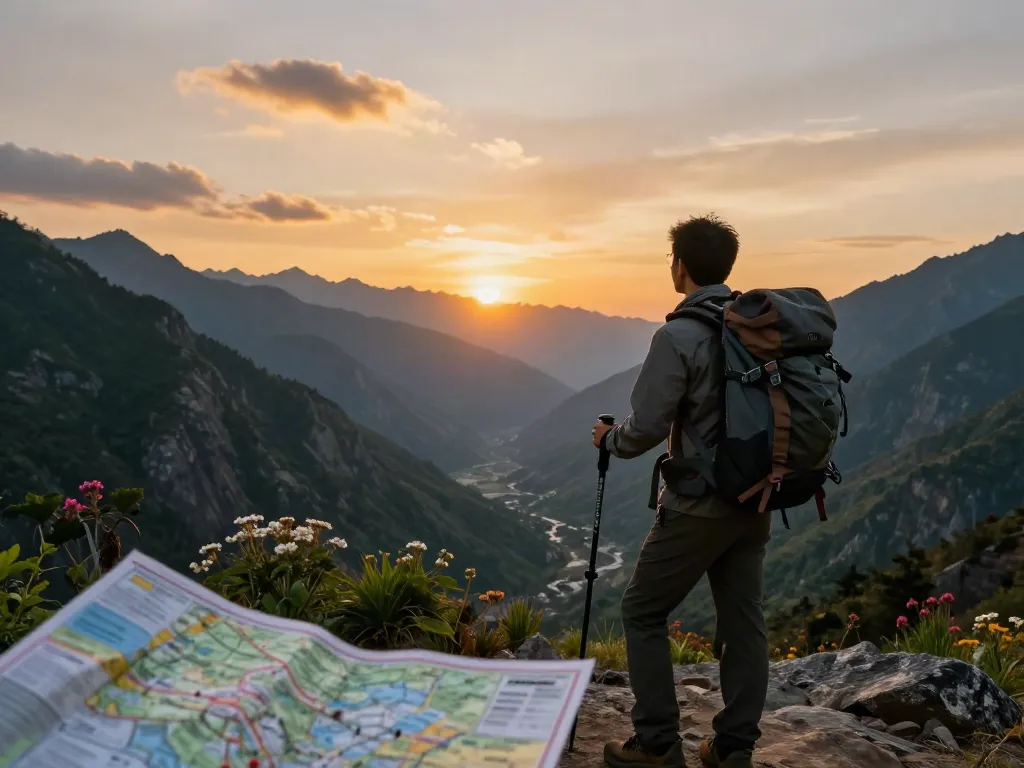
Trekking through the Manaslu region, you'll experience an incredible variety of landscapes—from subtropical forest to high alpine meadows. The trail closely follows the Budi Gandaki River, showcasing majestic waterfalls, terraced rice fields, and the classic Nepali architecture of the villages. Key scenic spots include the stunning views from Larkya La Pass, the glacial Birendra Lake, and the serene beauty of the Manaslu Base Camp, which offers trekkers a view of majestic glacial formations and the surrounding peaks.
Preparing for the Trek
Preparation is key to a successful trekking experience on the Manaslu Circuit. This trek is not only physically demanding but also requires careful planning regarding gear, physical fitness, and permits. Having the right equipment, understanding fitness requirements, and knowing what permits are necessary will enhance your adventure and safety on the trek.
Essential Gear and Packing Checklist for Manaslu Trek
Packing the right gear is crucial for a pleasant trekking experience. Consider the following essentials:
- Clothing: Layered clothing including thermal base layers, insulating outer layers, waterproof jackets, and breathable trekking pants.
- Footwear: Durable trekking boots with ankle support, along with a pair of camp shoes.
- Accessories: Trekking poles, sunglasses, hats, gloves, and a good quality sleeping bag rated for at least -15°C (5°F).
- Health & Safety: First aid kit, personal medications, water purification tablets, and sunscreen.
- Miscellaneous: A lightweight backpack, hydration systems, and snacks for the trail.
Physical Fitness Requirements and Training Tips
The Manaslu Trek is categorized as a moderately challenging trek, often requiring trekkers to walk for 5 to 8 hours daily. To prepare, it is recommended that trekkers engage in regular cardio and strength training at least two months prior to the trek. Incorporating hikes with elevation gain into your routine will simulate the conditions faced on the trail and improve endurance.
Understanding the Trekking Permits Needed
Before embarking on your journey, it's essential to be aware of the permits required for the Manaslu Circuit Trek. Trekkers need to secure the following permits:
- Manaslu Restricted Area Permit (MRAP)
- Manaslu Conservation Area Permit (MCAP)
- Annapurna Conservation Area Permit (ACAP)
- Trekkers Information Management System (TIMS) card
These permits must be arranged in advance through a licensed trekking agency in Nepal, which will handle all necessary paperwork on behalf of the trekkers.
Best Practices for Safety
Safety on the trail is paramount. Understanding altitude sickness and being prepared for emergencies will enhance your trekking experience and ensure your health and safety.
Acclimatization Strategies to Prevent Altitude Sickness
Altitude sickness can occur when ascending too quickly without proper acclimatization. To mitigate this risk, it’s important to take acclimatization days at higher elevations, especially at Samagaon and Dharmashala. Here are some tips:
- Ascend gradually and avoid rapid elevation gain.
- Stay hydrated and maintain a balanced diet rich in carbohydrates.
- Recognize early symptoms of altitude sickness, such as headaches or dizziness, and descend immediately if they occur.
Emergency Procedures and Health Precautions
Being prepared for emergencies is crucial. Guides should carry first aid kits, and trekkers should familiarize themselves with emergency procedures, including how to contact local authorities or health services if needed. It is advisable to have comprehensive travel insurance that covers high-altitude trekking and emergency evacuation.
Choosing the Right Guide for Your Journey
Selecting a licensed and experienced trekking guide can significantly enhance your trekking experience. An effective guide can provide valuable insights into the cultural and natural history of the region, manage logistics, and ensure group safety. When choosing a guide, consider their certifications, experience, and knowledge of the local region.
What to Expect on the Trail
The Manaslu Trek promises a diverse experience encompassing daily challenges, cultural encounters, and stunning vistas. Understanding what to expect can help you mentally prepare for the journey ahead.
Daily Itinerary and Trekking Challenges
A typical trekking day on the Manaslu Circuit includes early morning starts, a focus on reaching the designated destination in the afternoon, and time to explore local culture and surroundings. While trekking, be prepared for various challenges such as steep ascents and descents, changing weather conditions, and the need for continuous hydration and nourishment.
Cultural Encounters and Local Cuisine
Throughout the trek, you’ll have numerous opportunities to interact with local communities and experience their rich traditions. The local cuisine often features dishes like dal bhat, momos, and various noodle dishes, with vegetarian options widely available. Meals are typically served at local teahouses, providing a warm and welcoming atmosphere.
Photography Tips for Capturing the Moment
With such breathtaking landscapes, photography is an integral part of the trek. To capture the best moments, consider the following tips:
- Bring a camera with a zoom lens for distant shots of the mountains.
- Utilize the golden hour (sunrise and sunset) for the best lighting.
- Document not only landscapes but also the daily lives of the local communities you encounter.
Post-Trek Considerations
After the trek, it’s important to reflect on your experiences and maintain responsible tourism practices.
Reflecting on Your Experience and Lessons Learned
Trekking the Manaslu Circuit offers profound experiences that extend beyond the physical challenge. Take time to reflect on what you’ve learned about yourself, the culture you’ve engaged with, and the natural environment you’ve traversed. Journaling your thoughts or sharing your experiences with fellow trekkers can enhance the reflection process.
Maintaining Responsible Tourism Practices
Responsible tourism is crucial in preserving the beauty and integrity of the regions we explore. Supporting local businesses, minimizing waste, and respecting local customs are essential practices that every trekker should embrace. Additionally, leaving no trace and taking care of the natural environment ensures that future generations can enjoy these stunning landscapes.
Future Trends in Trekking and Adventure Travel for 2026
As adventure travel continues to evolve, future trends may include increased interest in sustainable trekking, the use of technology to enhance trekking experiences, and more personalized trekking experiences that cater to various skill levels and interests.
What is the cost of the Manaslu Trek?
The cost of the Manaslu Trek can vary widely based on several factors, including the chosen trekking agency, duration of the trek, and additional services required. Generally, trekkers should expect to pay between $1500 to $2500 for a full package, which typically includes accommodation, transportation, permits, and guiding services.
How difficult is the Manaslu Trek compared to other treks?
Compared to other popular treks in Nepal, the Manaslu Circuit is moderately challenging, primarily due to its length and higher altitude sections. Trekkers can expect to walk for 5 to 8 hours daily with substantial elevation gain, particularly around the Larkya La Pass. Proper preparation and acclimatization are essential for success.
Can I trek solo on the Manaslu Circuit?
Solo trekking is not permitted on the Manaslu Circuit due to the area’s regulations. All trekkers must be accompanied by a licensed guide to ensure safety and proper adherence to local regulations.
What permits are required for the Manaslu Circuit Trek?
As mentioned earlier, trekkers need to secure the MRAP, MCAP, ACAP, and TIMS before commencing the trek. These permits are crucial for accessing the restricted areas surrounding Manaslu.
Are there food and accommodation options on the trek?
Accommodation is typically provided in local teahouses, offering basic amenities and twin-sharing rooms. Food options include local specialties like dal bhat and momos, with vegetarian meals being widely available.