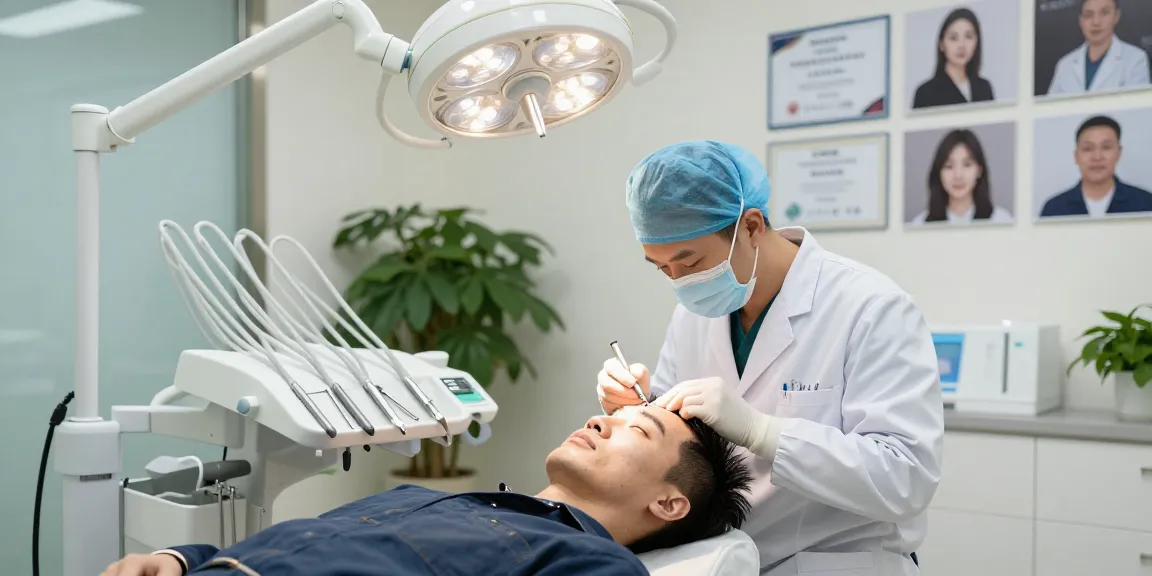
Understanding Hair Transplant Turkey Cost
The rising popularity of hair transplants has made Turkey a leading destination for those seeking hair restoration. Known for its competitive prices and advanced techniques, potential patients often have a pressing question: what is the hair transplant turkey cost? Understanding this cost involves more than just a price tag; it encompasses a range of variables that can significantly affect the final amount. When exploring options, hair transplant turkey cost can help provide comprehensive insights into the factors influencing pricing as well as what to expect during the process.
What Factors Influence Hair Transplant Prices?
Several elements contribute to the final cost of a hair transplant in Turkey. From the technique employed to the expertise of the surgeon, understanding these factors is crucial for making an informed decision:
- Technique Used: The two primary techniques are Follicular Unit Extraction (FUE) and Follicular Unit Transplantation (FUT). FUE is generally more expensive due to its labor-intensive nature and the skill required.
- Number of Grafts: The more grafts you need, the higher the cost. Clinics usually charge per graft, with an average cost ranging from $1 to $3 per graft.
- Surgeon’s Experience: Highly skilled and experienced surgeons may charge more, but this can result in better outcomes and fewer complications.
- Facility Accreditation: Clinics that are internationally accredited or recognized for their standards of care may have higher prices due to their commitment to quality and safety.
- Geographical Location: Prices can vary depending on the city within Turkey. Major cities like Istanbul may have higher costs compared to smaller towns.
Comparing Costs: Turkey vs. Other Countries
When comparing the hair transplant turkey cost to that in other countries, Turkey often emerges as a more affordable option. For instance:
- United States: Hair transplant costs can range from $4,000 to $15,000, significantly higher than Turkey.
- United Kingdom: Prices typically range from £3,000 to £10,000, making Turkey's costs much more appealing for budget-conscious patients.
- India: While India also offers competitive prices, Turkey is preferred for its advanced technology and skilled practitioners.
This comparison highlights why Turkey has become a popular choice for individuals seeking hair restoration solutions without breaking the bank.
Hidden Costs to Anticipate
While Turkey offers competitive prices, it’s crucial to be aware of potential hidden costs that can surprise patients:
- Pre-Operative Tests: Some clinics may require blood tests or health screenings that can add to the total cost.
- Post-Operative Care: Follow-up visits or additional treatments can incur extra charges.
- Travel and Accommodation: Patients should factor in the costs of flights, lodging, and transportation while in Turkey.
- Medications: The cost of post-operative medications is sometimes not included in the initial quote.
Being aware of these potential extras can help patients budget more accurately for their hair transplant journey.
Quality vs. Cost: Finding the Right Balance
The allure of lower prices can make it tempting to choose budget options, but sacrificing quality for cost can lead to disappointing results. It's essential to strike a balance between cost and quality to ensure successful outcomes.
Why Quality Shouldn’t Be Compromised
Choosing a high-quality clinic may require a higher initial investment, but it can lead to better long-term results. Compromising on quality could result in:
- Poor aesthetic outcomes, such as unnatural hairlines.
- Higher risk of complications, leading to additional procedures.
- Long-term dissatisfaction, which can affect mental well-being.
Investing in a reputable and experienced clinic pays off in the long run.
Evaluating Clinic Accreditation and Expertise
Before deciding on a clinic, ensure that it is accredited and staffed by qualified professionals. Look for:
- International certifications that validate their standards.
- Surgeons with significant experience in hair transplants.
- Positive patient testimonials and before-and-after photos.
Researching these factors ensures that you are choosing a clinic that prioritizes safety and effectiveness.
How to Ensure Value for Money in Procedures
Here are some actionable tips to maximize your investment in a hair transplant:
- Compare multiple clinics, not just on price but also on services offered.
- Request detailed quotes that outline all expenses upfront.
- Inquire about warranties or guarantees related to the procedure.
These steps can help ensure that you receive the best value for the money spent.
Patient Experiences and Testimonials
Understanding firsthand experiences can offer valuable insights into the hair transplant process in Turkey.
Real Stories: Success vs. Failures
Patients share a wide range of experiences, highlighting both successful outcomes and challenges faced. Success stories often include:
- Natural-looking results that restore confidence.
- Minimal downtime and quick recovery.
Conversely, failures may stem from poor clinic choices, emphasizing the importance of research and due diligence.
The Impact of Cost on Patient Satisfaction
Affordable treatments often come with high satisfaction rates, provided the quality of work is maintained. Institute surveys consistently show that:
- Patients who invest more in quality clinics report greater overall satisfaction.
- Lower-cost procedures often lead to mixed feelings, particularly if results do not meet expectations.
Case Studies of Patients in Turkey
Analyzing case studies offers insights into the diverse outcomes of hair transplants in Turkey:
- Patients who opted for FUE typically experienced quicker recovery times.
- Those who chose clinics with higher accreditation reported fewer post-operative complications.
These real-life examples can help inform potential patients about what to expect.
Future Trends in Hair Restoration and Costs
As with many procedures, the world of hair restoration is evolving. Understanding future trends can help prospective patients stay informed.
Innovations Affecting Hair Transplant Costs in 2026
Emerging technologies and techniques are likely to affect costs, including:
- Robotic-assisted procedures that offer precision but may also increase prices.
- Improved post-care solutions that could reduce the need for additional treatments.
Predicted Changes in Popularity of Hair Transplants
As societal perceptions of beauty evolve and as awareness increases, more individuals are likely to seek hair restoration solutions. Factors driving this trend include:
- The rise of social media and its influence on personal appearance.
- Increased availability of information and patient testimonials.
The Role of Technology in Cost Reduction
Innovative techniques could reduce costs while maintaining quality. Expect to see:
- Greater efficiency in procedures from advancements in equipment.
- Potential for remote consultations that can lower overhead costs for clinics.
These technological advancements may lead to more attractive pricing for patients.
Common Myths about Hair Transplants in Turkey
Misinformation can lead to hesitancy when it comes to choosing hair transplants. Let’s explore and debunk some common myths.
Debunking Misconceptions About Affordable Options
Many believe that lower-cost procedures equate to poor quality. This is often untrue; however, it’s essential to examine:
- The clinic’s accreditation and staff qualifications.
- Reviews and success rates from previous patients.
Understanding the Risks of Low-Cost Procedures
While affordability is attractive, it’s crucial to recognize potential pitfalls:
- Compromised care due to cost-cutting measures.
- Risk of unsatisfactory results leading to corrective procedures.
What to Look for in a Reputable Clinic
When searching for a clinic, consider the following criteria:
- Accreditation from recognized health authorities.
- Positive patient feedback and a strong portfolio of results.
- Transparency in pricing and procedures.
What Are the Long-Term Effects of Hair Transplants?
Long-term outcomes can vary based on individual circumstances, but generally include:
- Natural and permanent results when performed correctly.
- Possible need for follow-up procedures as hair continues to thin in other donor areas.
Can Hair Transplants Be Reversed or Repaired?
While it is challenging to reverse a hair transplant, corrective procedures can help address unsatisfactory results. Options may include:
- Scar revision techniques to improve the appearance of the donor area.
- Additional transplants to enhance or correct previous work.
How Does Cultural Perception Affect Choices?
Cultural factors play a significant role in the decision to pursue hair restoration. In many societies, a full head of hair is associated with youth and vitality, influencing:
- Individuals’ willingness to invest in cosmetic procedures.
- The overall popularity of hair restoration services.
Understanding these cultural perceptions can help clinics tailor their services and marketing strategies effectively.