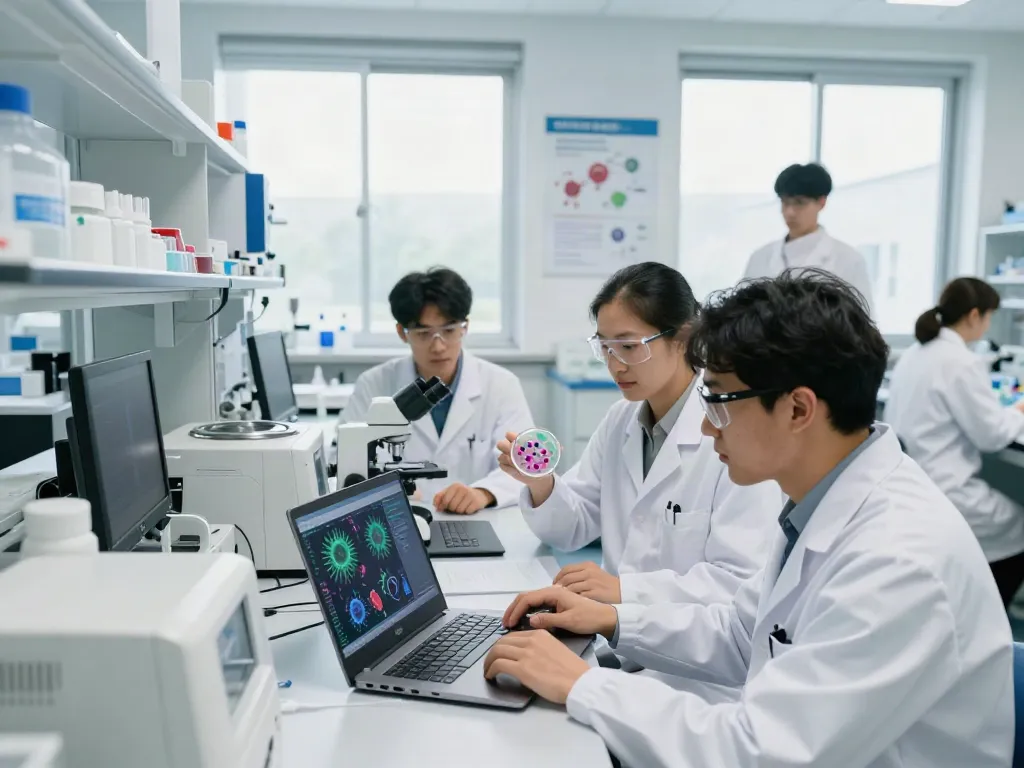
Understanding the Landscape of Cancer Research
Cancer research is a critical area in modern healthcare, aimed at understanding the complexities of cancer, developing effective treatments, and ultimately finding a cure. As the global burden of cancer continues to rise, with millions diagnosed each year, the demand for innovative research strategies and breakthroughs has never been greater. From early detection methods to advanced treatment modalities, every facet of cancer research plays a vital role in enhancing patient outcomes. When exploring options, Cancer research provides comprehensive insights into the issues and breakthroughs within this field.
Importance of Cancer Research in Modern Healthcare
Cancer research is fundamental to our understanding of the disease and its various forms. It focuses on unraveling the genetic, environmental, and lifestyle factors contributing to cancer development. The significance of cancer research lies not only in discovering new therapies but also in improving prevention strategies, screening methods, and quality of life for patients. Each study, whether it yields positive or negative results, contributes to a larger pool of knowledge that can inform future research and clinical practices.
Key Innovations Driving Cancer Research Forward
Over recent years, several innovations have emerged that dramatically impact cancer research. Key advancements include:
- Precision Medicine: Tailoring treatments based on individual genetic profiles enhances the effectiveness of therapies and minimizes adverse effects.
- Immunotherapy: Harnessing the body's immune system to fight cancer has led to promising results in several cancers historically deemed untreatable.
- Liquid Biopsies: Non-invasive blood tests enable early detection and monitoring of cancer, reducing the need for more invasive sampling methods.
- Artificial Intelligence: AI algorithms are being used to analyze vast datasets to identify patterns and predict treatment outcomes, significantly speeding up the research process.
Current Challenges and Opportunities in Cancer Research
Despite the advancements, cancer research faces numerous challenges. Funding limitations, regulatory hurdles, and discrepancies in data quality can impede progress. Moreover, the complexity of cancer as a multifaceted disease requires interdisciplinary approaches, which can be difficult to coordinate. However, these challenges also present opportunities for collaboration among researchers, healthcare providers, and policy-makers to address these barriers systematically.
Strategies for Effective Cancer Research Planning
Setting Clear Goals and Objectives for Research Projects
Success in cancer research begins with clear, achievable goals. Researchers must define what they aim to discover or improve, whether it’s finding a new treatment, understanding tumor biology, or enhancing patient care protocols. Establishing specific objectives helps in designing studies, selecting methodologies, and determining metrics for success.
Building a Diverse Research Team
A diverse research team can bring together varied perspectives and expertise, enriching the research process. Collaborations across specialties such as oncology, genetics, bioinformatics, and patient advocacy ensure that research is comprehensive and considerate of all factors influencing cancer treatment and patient care.
Securing Funding and Resources for Research Initiatives
Funding remains one of the most significant barriers to cancer research. Researchers should cultivate relationships with grant agencies, industry partners, and non-profit organizations to secure necessary resources. Engaging in outreach activities and presenting compelling research proposals can significantly enhance the chances of obtaining funding.
Data Management and Analysis in Cancer Research
The Role of Big Data in Cancer Research
Big data is revolutionizing cancer research by enabling the analysis of vast quantities of information from diverse sources, including genomic data, clinical trials, and patient health profiles. This data can uncover trends and correlations that were previously undetectable, leading to more informed research directions and treatment options.
Best Practices for Data Collection and Management
Effective data management is crucial in cancer research. Implementing standardized protocols for data collection, storage, and sharing can streamline the research process and improve the reliability of results. Adopting solutions such as data management platforms ensures compliance with regulations and enhances collaboration among researchers.
Utilizing AI and Machine Learning in Cancer Research
AI and machine learning technologies are becoming integral in cancer research, allowing for predictive modeling and personalized treatment strategies. These tools can analyze patient data to tailor therapies, predict treatment responses, and identify potential side effects, further advancing personalized medicine.
Real-World Applications of Cancer Research Findings
Case Studies of Successful Cancer Treatments
Numerous case studies illustrate the successful application of cancer research findings. For example, the approval of CAR T-cell therapy for certain types of leukemia and lymphoma exemplifies how research translates into innovative treatments. These therapies are designed to enhance the body’s immune response against cancer, showcasing the power of targeted therapies emerging from dedicated research.
Translating Research into Clinical Practice
Translating research findings into clinical practice requires effective communication between researchers and healthcare providers. Clinical trials serve as a vital link, providing rigorous testing of new treatments in diverse patient populations. Success in this phase can pave the way for new standards of care.
Engaging Patients in the Research Process
Patient engagement is essential in cancer research. Involving patients in the research process—from the design of clinical trials to feedback on treatment outcomes—can enhance the relevance and applicability of findings. Patient advocacy groups play a crucial role in bridging the gap between research and patient needs.
Future Trends and Predictions in Cancer Research
Emerging Technologies Shaping the Future of Cancer Research
The future of cancer research looks promising, with emerging technologies such as wearable health devices, telemedicine, and blockchain technology paving the way for new methods of data collection, treatment monitoring, and patient engagement. These innovations could significantly enhance the understanding and management of cancer.
How Policy Changes Affect Cancer Research
Policy changes can have a profound impact on the direction of cancer research. Legislative decisions regarding funding, patient access to treatments, and regulatory approvals affect the speed at which research and innovations can progress. Continued advocacy for supportive policies is necessary to foster an environment conducive to groundbreaking cancer research.
Preparing for the Future: The Next Frontier in Cancer Research
The next frontier in cancer research involves harnessing the full potential of emerging disciplines such as genomics, proteomics, and epigenetics. Understanding how these intricate systems contribute to cancer progression will be key to developing next-generation therapies that are both effective and precise.
What is the latest research on cancer?
As of 2026, the latest research in cancer encompasses a variety of fields, including advancements in immunotherapies, novel biomarkers for early detection, and insights from genomic studies. These findings are continuously evolving and hold the promise of improving treatment outcomes and survival rates for patients diagnosed with cancer.
Are there any people who have beaten cancer without treatment?
While anecdotal evidence exists of individuals who claim to have overcome cancer without conventional treatment, it is essential to approach such claims with caution. The efficacy of alternative therapies is not well-supported by scientific evidence, and patients are generally advised to pursue proven treatment options that have been rigorously tested for safety and effectiveness.
How many times can you have chemotherapy in a lifetime?
The number of times a patient can undergo chemotherapy varies significantly based on individual circumstances, including the type of cancer, overall health, and response to treatment. Oncologists work closely with patients to determine the best treatment plan, which may include multiple rounds of chemotherapy interspersed with evaluations to monitor effectiveness and side effects.