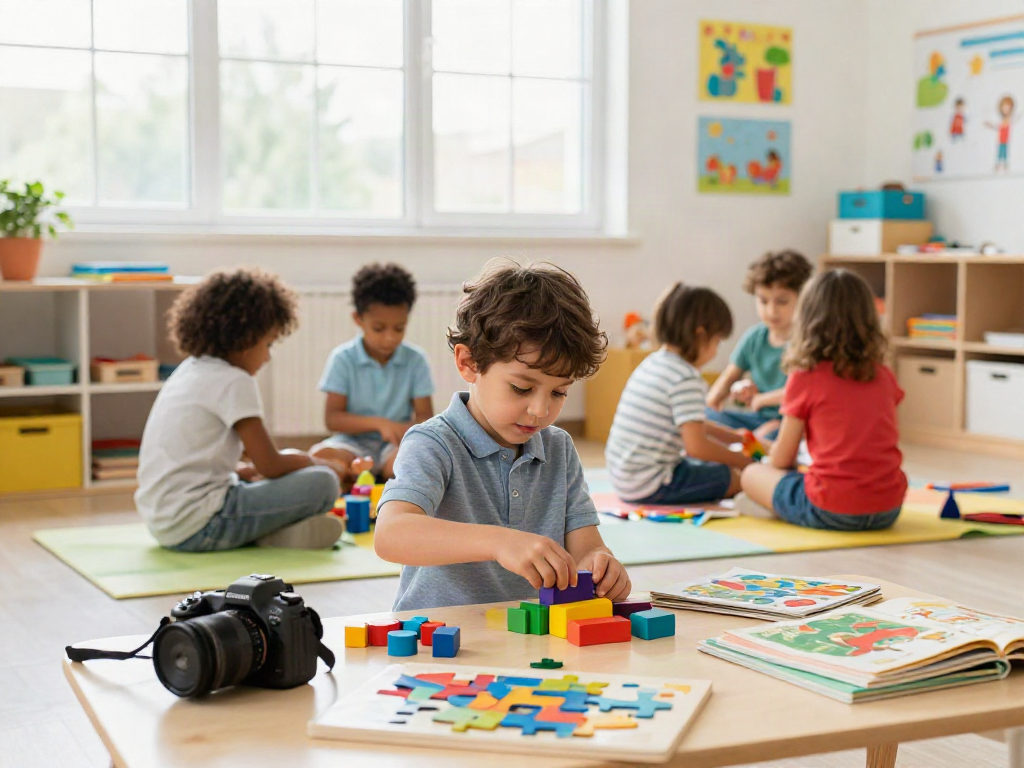
Understanding Inquiry-Based Learning in Pre Schools in Singapore
As parents explore their options among the many pre schools in Singapore, understanding the concept of inquiry-based learning is essential. This educational approach shifts the focus from traditional rote memorization to fostering curiosity, critical thinking, and problem-solving skills in young children. Inquiry-based learning encourages children to ask questions and engage deeply with the material, making education a more immersive and enjoyable experience.
What is Inquiry-Based Learning?
Inquiry-based learning is an educational strategy that encourages students to learn by engaging in hands-on, real-world experiences. Rather than simply being recipients of information, children are active participants in their learning journey. This method emphasizes the importance of questioning, exploration, and discovery. At Pegasus International Preschool in Singapore, this approach is integral to the curriculum, allowing children to develop essential skills that prepare them for future learning.
Benefits of Inquiry-Based Teaching Methods
- Encourages Critical Thinking: Children learn to analyze situations, ask meaningful questions, and seek out answers through exploration.
- Fosters Curiosity: Inquiry-based learning taps into children's natural curiosity, motivating them to investigate and learn more about the world around them.
- Develops Problem-Solving Skills: This approach equips children to think independently and creatively when faced with challenges.
- Promotes Collaboration: Many inquiry activities involve group work, which teaches children the value of teamwork and communication.
Implementing Inquiry in Early Childhood Education
Incorporating inquiry-based learning into early childhood education involves providing children with a stimulating environment where exploration is encouraged. Educators play a crucial role in facilitating discussions, guiding investigations, and fostering an atmosphere where children feel safe to express their ideas and questions. By utilizing various learning materials, interactive technology, and outdoor exploration, preschools can create a curriculum that supports this engaging learning approach.
Criteria for Choosing the Right Pre School in Singapore
Selecting the right preschool is a significant decision for parents. As they search for the best options, it’s essential to look for schools that prioritize high-quality education and child development. Parents should assess several factors to make an informed choice.
Evaluating Curriculum and Teaching Approaches
When considering a preschool, it is vital to evaluate their curriculum. Schools that adopt inquiry-based learning methodologies tend to foster a more enriching learning environment. Look for institutions that integrate hands-on activities and encourage critical thinking rather than relying solely on rote learning techniques.
Importance of Teacher-Child Ratios
Another critical aspect to consider is the teacher-child ratio. A low ratio allows for more individualized attention and support for each child's learning needs. Studies have shown that smaller class sizes enable teachers to better understand and cater to the unique requirements of each student, fostering a more personalized educational experience.
Assessing Facilities and Learning Environment
The physical environment of a preschool plays a crucial role in children's learning experiences. Look for schools with spacious, well-equipped classrooms and ample outdoor play areas. A safe, inviting environment encourages exploration, creativity, and social interaction among children, which is vital for their holistic development.
Parental Involvement in Early Learning
Parental involvement is a cornerstone of effective early childhood education. Engaging parents in their child’s educational journey can significantly enhance learning outcomes and strengthen family bonds.
Strategies for Encouraging Parent Participation
Preschools should create opportunities for parents to be involved in school activities. This can include volunteer opportunities, workshops, and events that encourage family participation. Establishing open lines of communication helps parents feel valued and fosters a collaborative atmosphere.
Building a Home-School Partnership
A strong partnership between home and school is essential for children's success. Schools can facilitate this by sharing resources, educational materials, and strategies that parents can use at home to support their child's learning. Regular updates on children's progress and developmental milestones help parents stay engaged and informed.
Parental Resources and Support Systems
Providing resources and support for parents enhances their ability to contribute positively to their child’s learning. Workshops, informational sessions, and access to educational materials can empower parents to create an enriching learning environment at home.
Addressing Common Challenges Faced by Pre Schools in Singapore
While inquiry-based learning and parental involvement foster a vibrant educational experience, preschools in Singapore face specific challenges that must be navigated to provide effective early education.
Managing Diversity in Classrooms
Singapore’s multicultural society presents a unique challenge for preschools. Educators must be equipped to manage diverse classrooms by implementing inclusive practices that respect and celebrate differences. Creating an environment where all children feel valued and understood is vital for promoting social cohesion.
Creating Inclusive Learning Experiences
Inclusion involves adapting teaching practices to cater to the diverse needs of students. Preschools should implement differentiated instruction techniques that allow children to learn at their own pace, ensuring that all learners can thrive in a supportive and nurturing environment.
Balancing Academic and Social Development
Striking the right balance between academic learning and social development is crucial for preschoolers. Effective preschools integrate play-based learning with academic curricula, ensuring children develop essential social skills while also meeting educational milestones.
Future Trends in Early Childhood Education in Singapore
The landscape of early childhood education is continually evolving, and several trends are shaping the future of preschools in Singapore. Understanding these trends can help parents and educators prepare for new developments in education.
Technology Integration in Pre Schools
As technology becomes increasingly prevalent in education, preschools are incorporating digital tools and resources into their curricula. Interactive learning applications and educational platforms can enhance children's learning experiences and cater to different learning styles.
Emphasis on Emotional and Social Learning
Recognizing the importance of emotional and social development, preschools are placing greater emphasis on teaching skills that help children manage their emotions, develop empathy, and build strong relationships. Programs that focus on social-emotional learning are becoming integral to preschool curricula.
Predictions for Early Education by 2026
By 2026, it’s anticipated that preschools will increasingly embrace integrated learning approaches that blend academic content with essential life skills. Skills such as critical thinking, creativity, and collaboration will be emphasized alongside traditional academic subjects, preparing children for a rapidly changing world.
What makes a pre school in Singapore stand out?
A standout preschool offers a child-centered approach, a nurturing environment, and a curriculum that fosters critical and creative thinking. Schools that adapt to the needs of their students and engage parents in their educational journey are likely to provide the most enriching experiences.
How can parents support their child's learning at home?
Parents can support their children’s learning at home by providing a variety of learning materials, engaging in conversations about their day, and encouraging them to ask questions. Creating a positive and stimulating home environment is key to fostering a love for learning.
What is the role of cultural diversity in early childhood education?
Cultural diversity enriches the learning environment and helps children develop a global perspective. By learning about different cultures and perspectives, children can build empathy and understanding, essential skills for navigating the world.
How do teachers foster a love for learning?
Teachers foster a love for learning by creating engaging, interactive lessons that stimulate curiosity. They encourage exploration, provide positive reinforcement, and create a safe environment where children feel comfortable taking risks.
What are the benefits of a low teacher-child ratio?
A low teacher-child ratio allows for personalized attention, which can lead to better educational outcomes. Teachers can better observe and support individual learner needs, catering their teaching methods to suit each child’s unique learning style.