Understanding Ceiling Speakers
Ceiling speakers, or اسپیکر سقفی, have become increasingly popular in modern audio setups, renowned for their seamless integration into spaces and ability to deliver high-quality sound without occupying floor space. As audio technology advances, these speakers are now available with innovative features such as smart capabilities and wireless connectivity, making them an excellent choice for both residential and commercial environments. In this comprehensive guide, we will explore the essential aspects of ceiling speakers, enabling you to make informed decisions for your audio needs.
What is a Ceiling Speaker?
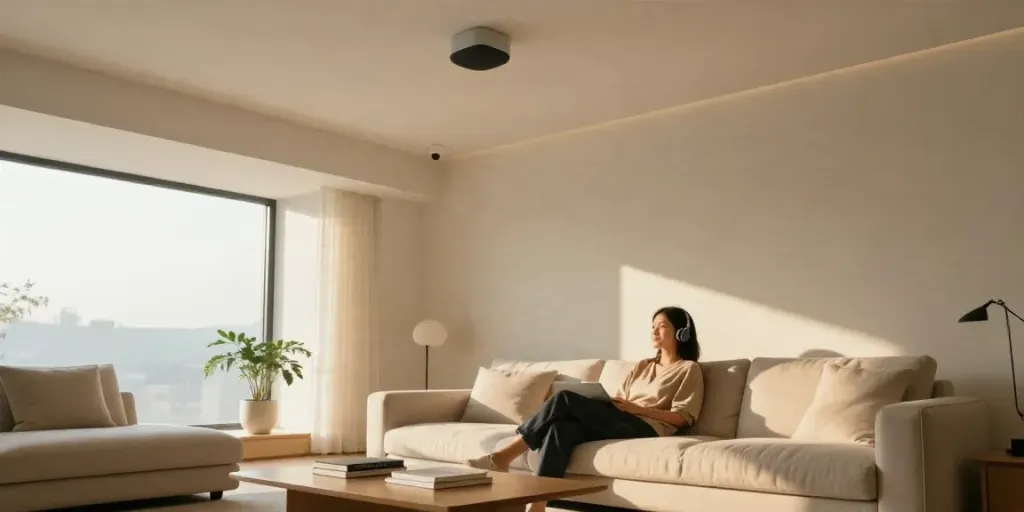
A ceiling speaker is a type of loudspeaker that is installed directly into the ceiling structure of a room. These speakers are designed to blend unobtrusively into the environment, making them an ideal solution for both aesthetics and sound quality. Unlike traditional floor-standing or bookshelf speakers, ceiling speakers free up valuable floor space and provide an immersive listening experience by distributing sound evenly across a room.
Benefits of Using اسپیکر سقفی
- Space-Saving Design: Ceiling speakers are installed flush with the ceiling, making them perfect for smaller rooms where floor space is at a premium.
- Improved Sound Distribution: Their placement allows for optimal sound dispersion, providing a more immersive audio experience compared to conventional speaker setups.
- Versatility: These speakers can be used in various settings, including home theaters, kitchens, offices, and retail spaces, seamlessly integrating into any decor.
- Modern Features: Many ceiling speakers now come equipped with wireless technology, allowing for easy streaming from multiple devices.
When exploring options, اسپیکر سقفی provides comprehensive insights into various models and features.
Types of Ceiling Speakers Available
There are several types of ceiling speakers available on the market, each designed for specific applications and user preferences. The main types include:
- Passive Ceiling Speakers: These require an external amplifier for operation and are typically used in custom audio systems.
- Active Ceiling Speakers: Built with their own amplifiers, active speakers are simpler to install and require less wiring.
- Wireless Ceiling Speakers: Offering the convenience of Bluetooth or Wi-Fi connectivity, these speakers allow for streaming music without the clutter of wires.
- In-Ceiling Subwoofers: Designed to complement regular ceiling speakers, these provide deep bass response hidden in the ceiling.
Key Features to Look For
Sound Quality Considerations
When selecting a ceiling speaker, sound quality should be your top priority. Look for speakers that provide a balanced sound profile, clear highs, and a robust bass response. Features such as frequency range, sensitivity ratings, and power handling capabilities can significantly impact the listening experience. Moreover, consider the installation environment; acoustics can vary widely based on ceiling height, material, and room dimensions.
Power and Efficiency Ratings
Understanding the power ratings of ceiling speakers is crucial for optimizing their performance. Wattage indicates the maximum power the speaker can handle, while efficiency ratings (measured in dB) denote how effectively the speaker converts power into volume. A higher efficiency rating means the speaker can produce more sound at lower power levels, which is an important consideration for energy efficiency and sound performance.
Design and Aesthetics of اسپیکر سقفی
Ceiling speakers are available in various designs, from round to square shapes, and can come with customizable grilles to match the interior of your space. Creating a seamless look often means choosing speakers that integrate well with your ceiling color and style. Some models even offer paintable grilles to further enhance the aesthetic appeal.
Installation and Setup
DIY vs. Professional Installation
Deciding between DIY installation and hiring a professional depends on your skills and comfort level with electrical work. While experienced individuals may find it straightforward to install ceiling speakers, professional installation ensures optimal performance and minimizes the risk of errors. Additionally, professionals can offer tailored advice on speaker placement based on your unique acoustic environment.
Tools and Materials Needed
For those opting for a DIY approach, the right tools and materials are essential. Basic tools include a stud finder, drill, wire strippers, and a level. You will also need speaker wire, appropriate connectors, and possibly a power amplifier, depending on the type of speakers chosen. Proper planning and measurement of speaker placement are critical to ensure the best sound quality and minimize any issues during installation.
Common Installation Mistakes to Avoid
While installing ceiling speakers, avoid common pitfalls such as improper speaker placement—ideally, they should be positioned evenly around the room for balanced sound. Additionally, ensure that the wiring is concealed and securely fastened to prevent any damage. Failing to account for the acoustic properties of your space can result in suboptimal performance, so take the time to assess the room beforehand.
Maintenance Tips for Longevity
Cleaning and Care for Ceiling Speakers
Maintaining your ceiling speakers is vital for ensuring their longevity and performance. Regularly dust the grilles and clean the surrounds with a soft, dry cloth. Avoid using liquid cleaners or abrasive materials, as these can damage the speaker components. Also, periodically check the connections to ensure they are secure and free of corrosion.
Troubleshooting Common Issues
If you experience sound quality issues, such as distortion or intermittent sound, check for loose connections or damaged wiring. Additionally, consult the user manual for troubleshooting tips specific to your speaker model. In many cases, simply re-seating the connections or adjusting the positioning can resolve the problem.
When to Seek Professional Help
While many issues can be addressed with DIY solutions, there are times when seeking professional help is advisable. For complex electrical problems, significant audio distortions, or if you're unsure about the installation, contacting a technician with experience in ceiling speaker setups can save you time and hassle.
Future Trends in Ceiling Audio Technology
Smart Features and Integration
The future of ceiling speakers is leaning towards smarter technology integration. Many models are now equipped with advanced features, including voice control compatibility with systems like Amazon Alexa and Google Assistant. This allows users to adjust settings and audio playback with simple voice commands, making the listening experience more intuitive.
The Rise of Wireless اسپیکر سقفی
Wireless ceiling speakers are gaining popularity due to their ease of installation and flexibility. With the ability to stream audio directly from smartphones, tablets, and other devices, users can enjoy high-quality sound without the mess of wiring. As wireless technologies improve, expect to see even better sound quality and connectivity options.
Predictions for Audio Innovations in 2026
By 2026, we can anticipate further advancements in audio technology for ceiling speakers. Innovations may include enhanced wireless protocols for better sound quality, integration with smart home systems, and more eco-friendly materials in manufacturing. As consumers continue to demand high-quality, versatile audio solutions, manufacturers will likely respond with speakers that meet evolving needs and preferences.